Fueling Science
Exogenous lactate: the science of the newest fuel
July 20, 2026 · 8 min preview
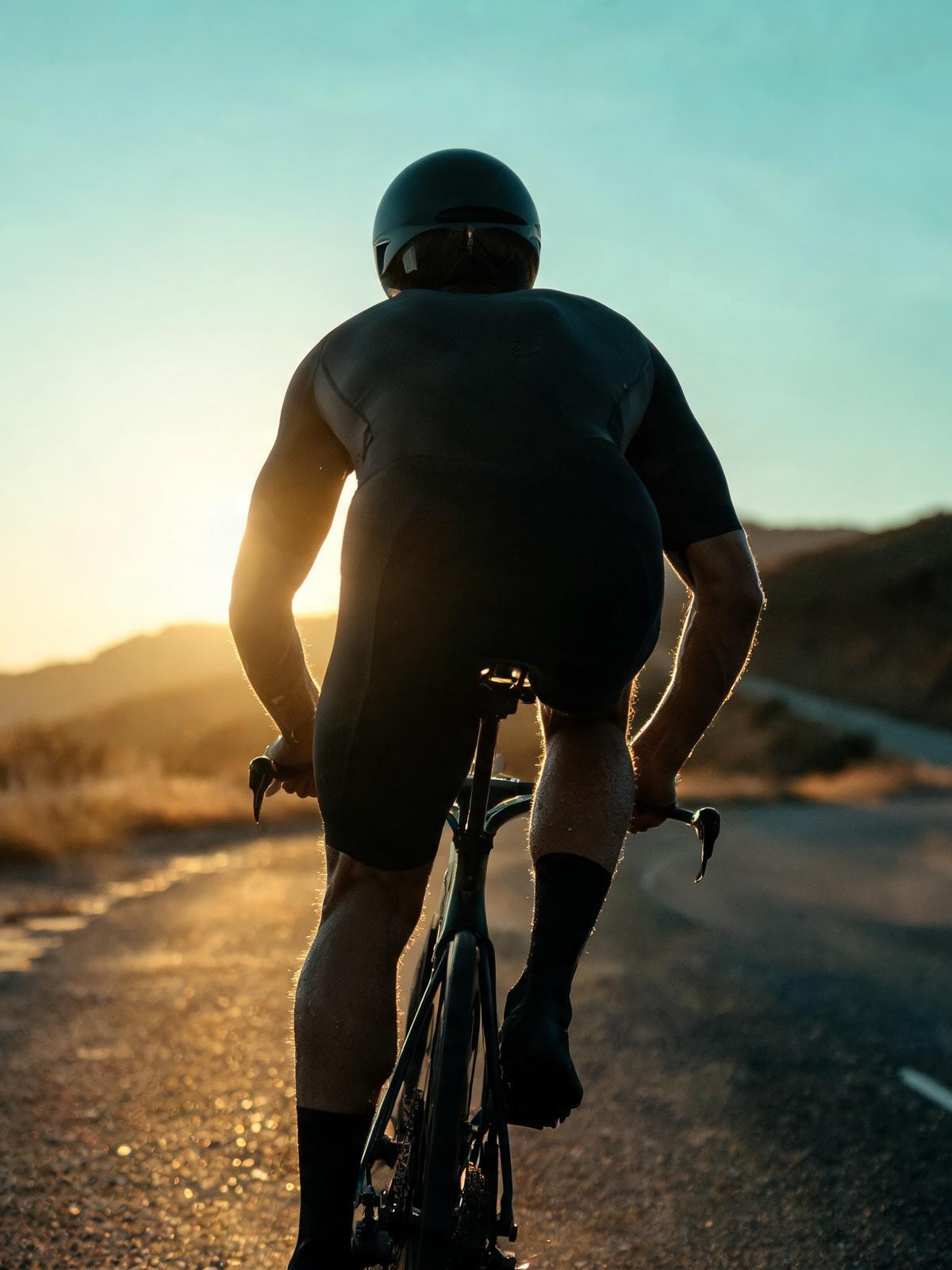
The Fueling Science Series, No.01 . Premium preview
Every July I watch the Tour de France and ask the same question. How does a rider like Pogacar keep finding another gear that nobody else has, year after year, while everyone around him is also a full-time professional with a full-time team of scientists? The comfortable answer is genetics and an inhuman engine. The real answer, or at least the more useful part of it, is that the fastest teams in the sport keep translating obscure exercise physiology into the feed zone faster than everyone else. This year that translation has a name: exogenous lactate. Team fuel partners have been shipping lactate-containing gels and drink mixes to the WorldTour peloton, and the marketing has outrun the randomized trials by a wide margin. This edition separates what the shuttle biology actually says from what the product category is claiming.
The verdict, up front
Lactate is not waste. It is one of the body's preferred fuels, produced and consumed continuously across muscle, heart, and brain, and roughly a third of the energy burned at the lactate threshold in trained athletes comes directly from blood-borne lactate. That part of the science is settled. What is not settled is whether drinking a lactate-containing gel or mix does anything a well-designed carbohydrate blend does not already do. Infused lactate, delivered straight into the bloodstream in a lab, reliably gets oxidized for fuel. Oral lactate, swallowed as a gel or drink and run through digestion first, has not beaten a placebo in a single controlled human trial published to date.
Why the gap keeps growing
Translational speed is the real edge
For a generation, lactate was framed as the enemy: the burn, the waste product, the thing you train to clear faster. That model has been wrong for decades, and the correction has been sitting in exercise physiology journals since long before it reached a feed zone. Lactate is a primary metabolic fuel, produced by fast-twitch fibers and immediately shuttled to slow-twitch fibers, the heart, and the brain for oxidation in real time, a process called the lactate shuttle.
Sources: lactate shuttle physiology, Brooks 2020 (PMC7498672) and Gladden 2004 (PMC1664920); lactate oxidation rates in trained versus untrained athletes, Emhoff and Brooks 2013 (PMC8846964); cardiac lactate extraction, Gertz and Stanley 1988 (PMC442784).
The infusion works, the gel is unproven
IV lactate feeds the engine. Oral lactate has not cleared the bar yet.
This is the single most important distinction in the entire category, and most marketing quietly erases it. When lactate is infused directly into the bloodstream in a laboratory setting, it is oxidized for fuel and can measurably spare glycogen. That result is well replicated. The open question the industry is racing ahead of is whether a lactate salt swallowed as a gel or drink mix, then absorbed through the gut, behaves the same way. Every oral trial published so far, across cycling and running protocols, has failed to separate a lactate-containing product from a placebo on performance, oxidation rate, or perceived effort.
Why the route of delivery matters this much
Gut absorption, first-pass liver metabolism, and simple dose all change what the body ever sees. A result proven with a needle in a lab does not automatically transfer to a foil packet in a jersey pocket. That translation step is exactly the step the current oral evidence has not cleared.
Sources: intravenous lactate oxidation, Miller and Brooks 2002 (PMC2290635) and Koep et al. 2025 (Physiological Reports, JP289216); oral lactate null results, Bordoli et al. 2024 (PMC11348031), Russ et al. 2019 (Gymnica), and McCarthy et al. 2024 (Journal of Applied Physiology).
Who at the top is actually using it
Adoption is ahead of proof, and the record needs a correction
Fuel brands have been visibly present at the Tour de France with lactate-containing product lines this season, and the framing has implied that the sport's strongest climbers run on them. The public record does not fully support that. Team fuel-partner statements and reporting point to layered carbohydrate blends, including lactate-containing gels among several products in the rotation, rather than a single named athlete's fueling protocol being lactate-led. Elite adoption is real and growing. The evidence that it changes outcomes, independent of the full carbohydrate dose sitting underneath it, is not there yet.
A second, unrelated use of the word lactate is worth separating out cleanly. Some WorldTour teams have used blood lactate testing for years to set training and pacing zones. That is threshold monitoring, a diagnostic tool, and has nothing to do with drinking lactate as a fuel source. Conflating the two is one of the more common mix-ups in how this topic gets discussed publicly.
Members unlock the full edition
The complete evidence ledger, the athlete-usage record, and the booklet
This preview opens the headline shuttle physiology and the honest state of the oral-product evidence. The premium No.01 edition of Fueling Science is the full reference: the complete lactate-shuttle mechanism with the MCT1 and MCT4 transporters that move it, the training-adaptation data on why a trained engine oxidizes lactate roughly 70 percent faster than an untrained one, a study-by-study graded ledger of every human oral and intravenous lactate trial published to date, the full athlete-usage record with the correction on who is actually using what, the strongest skeptic case against the category, and a practical table of what to do about it by athlete level. It closes with the same bottom line this preview opened with, expanded with the full source set. It includes the designed, paywall-grade PDF booklet that opens the Fueling Science track.
- The complete lactate-shuttle mechanism: MCT1 and MCT4 transport, the producer and consumer tissue map, and why the heart oxidizes almost all the lactate it extracts
- The training-adaptation data in full: the 13.4 versus 22.7 mg/kg/min untrained-to-trained oxidation gap and what actually drives it
- A graded, study-by-study ledger of every published oral and intravenous lactate trial, including the glucose-fructose 1.75 g/min benchmark the category has to beat
- The full athlete-usage record: the Enervit-versus-ExoLactate correction, why the evidence is described as still in its infancy, and the Norwegian threshold-testing mix-up explained
- The strongest counter-argument against the category, including the ketone-ester precedent for what happens when adoption outruns proof
- A practical, phase-by-phase table: what to do about exogenous lactate right now, by athlete level, plus the designed PDF booklet that opens the Fueling Science track
The edge was never a secret ingredient. It was understanding the machine early, and moving when the evidence, not the hype, said go.
Colophon and method
This preview summarizes the headline findings of IronPreneur Fueling Science No.01. It draws on peer-reviewed exercise physiology, clinical trial data, and current sports-nutrition reporting, with strict separation kept between mechanistic lab findings, intravenous trial data, and oral-product outcomes. Nothing here is medical or nutrition advice specific to any individual; fueling changes belong with a qualified sports dietitian or physician. The full reference and the designed PDF booklet are available to members.
Selected sources: Brooks 2020 on the lactate shuttle (PMC7498672); Gladden 2004 on lactate metabolism (PMC1664920); Emhoff and Brooks 2013 on trained-versus-untrained oxidation (PMC8846964); Gertz and Stanley 1988 on cardiac lactate extraction (PMC442784); Miller and Brooks 2002 (PMC2290635) and Koep et al. 2025 (JP289216) on intravenous lactate; Bordoli et al. 2024 (PMC11348031), Russ et al. 2019, and McCarthy et al. 2024 on oral lactate; Enervit on Tour de France fueling innovation; Velo and El Pais reporting on lactate products at the Tour de France. Prepared July 2026. Built on evidence, not affirmations.
Want the room where this gets put into practice?