The Human Engine
Inflammation in the masters endurance athlete: the signal that builds, the silent fire that erodes
June 21, 2026 · 9 min preview
The Human Engine Series, No.02 . Second edition . Premium preview
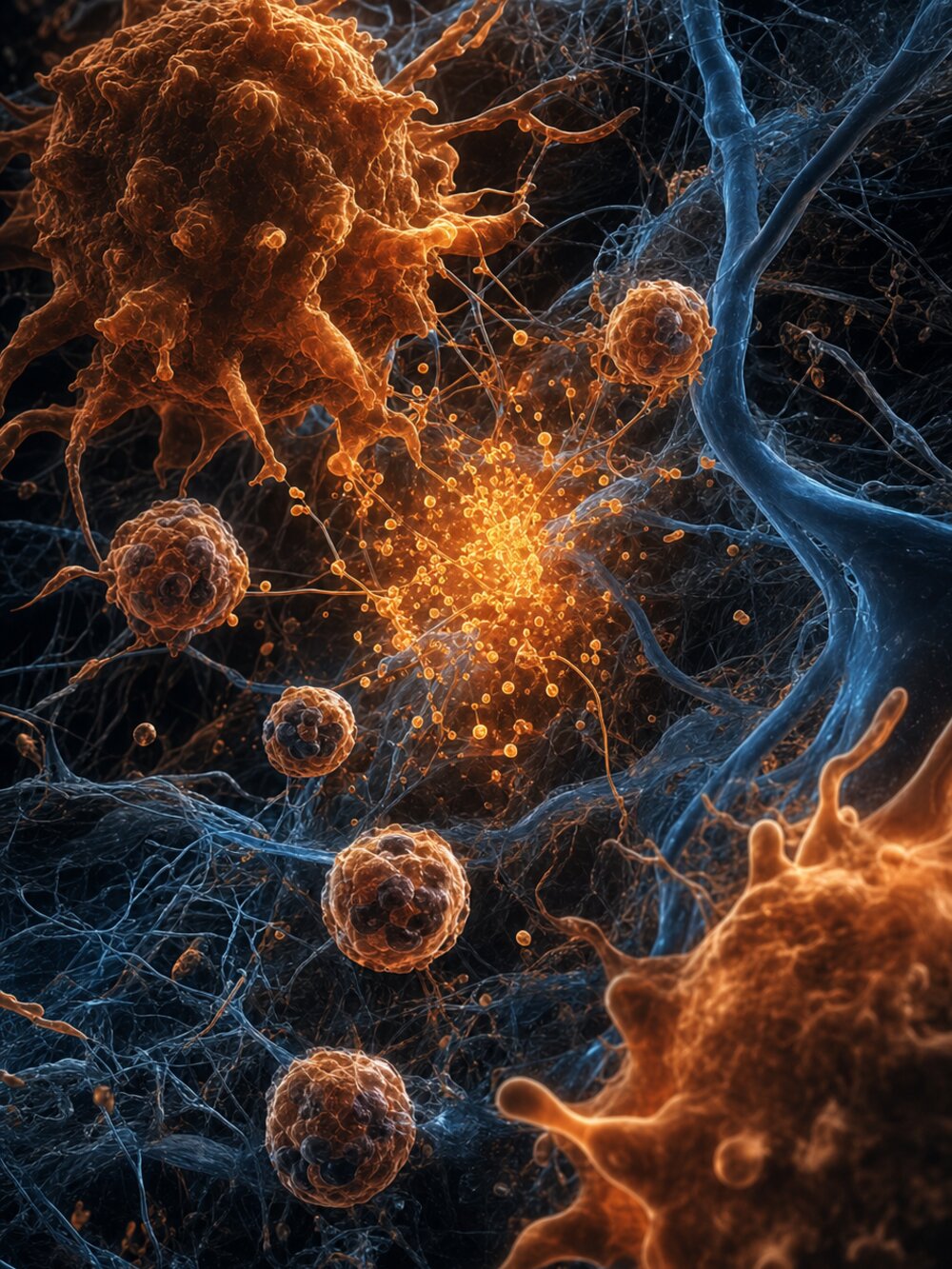
Inflammation is the most common word used and the least carefully understood biology in modern endurance sport. It carries two opposing meanings inside one term. Acute, transient, local inflammation after a hard session is the adaptive signal that drives every consequential training response: mitochondrial biogenesis, satellite cell activation, capillary remodeling, tendon collagen turnover, neural reorganisation. Chronic, low-grade, systemic inflammation is the biology of inflammaging, the slow drift in baseline cytokine tone, immune cell senescence, and tissue-resident sterile inflammation that erodes recovery, raises injury risk, and accelerates the aging curve underneath the visible decline. The masters endurance athlete lives at the precise intersection where the two collide, and the entire operating discipline of the comeback follows from a single asymmetry: amplify the acute signal, suppress the chronic substrate, and never confuse the two. This reference is the second edition of The Human Engine track. It synthesises 396 peer-reviewed sources across ten conceptual pillars, grades every quantitative claim by evidence tier, and steelmans every contested finding against its strongest counter-evidence before rendering a synthesis judgment. This preview opens the headline findings of the full edition. The complete reference sits behind membership. Built on evidence, not affirmations.
The verdict, up front
Inflammation in the masters endurance athlete is not one biology but two, and the most expensive mistake in this domain is treating them as one. Acute exercise inflammation is required for adaptation; chronic systemic inflammaging is required to be suppressed. The interventions that look interchangeable on the supplement shelf and the recovery menu are opposite in their effect on the two biologies. Ice baths after every session, gram-level antioxidants around training, ibuprofen for routine soreness, year-round anti-inflammatory eating without periodisation, and the casual use of the longevity drug class all reduce a chronic inflammatory load that the athlete may not have, while blunting the acute inflammatory signal that the adaptation depends on. Twelve theses, drawn from independently replicated primary literature, organise the science. Sleep debt is the highest-leverage anti-inflammatory variable in this population. Energy availability above the REDs threshold is a primary anti-inflammatory intervention. Tendinopathy is failed collagen remodeling, not inflammation, and load is the medicine. Menopause is an inflammatory inflection point, not a continuation of the curve. And no single anti-inflammatory compound clears the trained-athlete evidence bar without context.
Who this is written for
The returning masters athlete, not the young or continuously trained
The prototype reader is the returning masters endurance athlete, typically aged forty or older, with a meaningful prior history in long-course sport, who has been away from structured training for an extended period and now intends to rebuild toward competition. That framing matters at the inflammatory level because the masters athlete sits at the precise junction where the two biologies most aggressively interfere. Baseline systemic inflammation is already drifting upward through immunosenescence, accumulated visceral adipose tissue, gut barrier degradation, sarcopenic shifts, hormonal decline, and cumulative life stress, all of which the literature consolidates under the term inflammaging. At the same time the acute inflammatory response to a single hard session is blunted, slower to peak, and slower to resolve, which means the same training stimulus that builds the younger athlete may simultaneously fail to drive adaptation and fail to clear cleanly, leaving residual inflammatory load that compounds week over week.
A note on method comes before the science. Inflammation attracts more confident folklore than almost any other domain in endurance recovery: the belief that all inflammation is bad, that ice baths after every hard session are universally helpful, that NSAIDs are a reasonable routine for masters soreness, that the entire anti-inflammatory supplement aisle is more or less interchangeable, that menopause is a smooth continuation of the perimenopausal curve, and that wearable HRV trends can stand in for systemic inflammatory load. Each is examined honestly here, and where a popular claim outruns its evidence, the correction is stated openly rather than repeated. Every substantive claim is anchored to peer-reviewed primary literature, graded for strength, and kept separate by category, so mechanism, model, measured human outcome, and reasoned masters extrapolation are never silently merged.
The architecture of the response, and why the transition is the whole story
Neutrophils arrive, macrophages decide, resolution is an active program
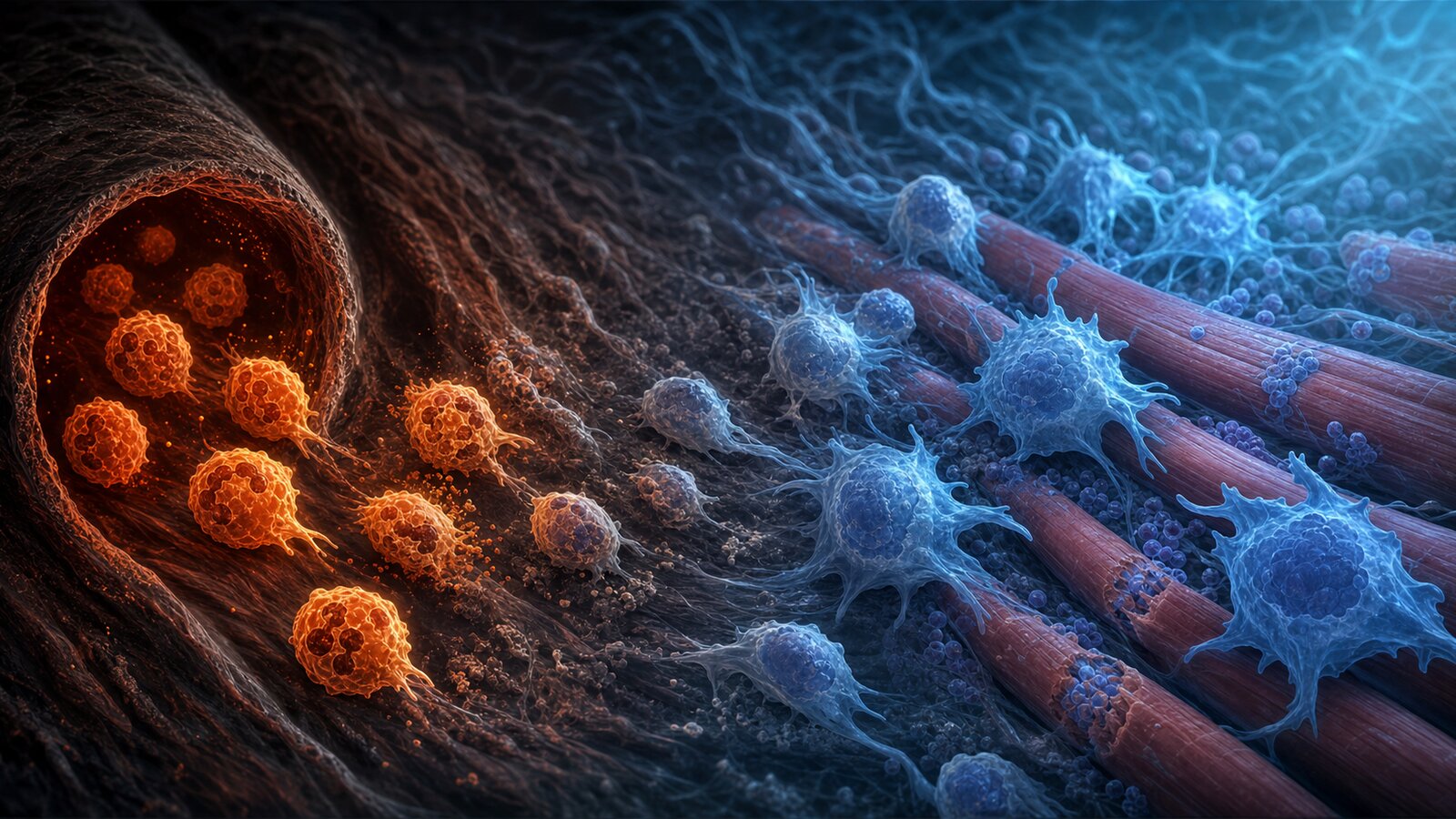
The acute inflammatory response after a demanding endurance session unfolds as an orchestrated three-act program, not a single event. Within minutes of a hard session, damage-associated molecular patterns released by mechanically stressed muscle fibres recruit neutrophils, which arrive within hours, peak around twenty-four hours, and clear cellular debris through a respiratory burst that itself generates a transient pulse of reactive oxygen species. Macrophages follow on a slower timeline, arriving in an inflammatory M1 phenotype that finishes debris clearance and signals satellite cell activation, then undergo a phenotype switch to an anti-inflammatory M2 program that orchestrates myogenesis, angiogenesis, and tendon and extracellular matrix remodeling. The active resolution of inflammation, mediated by a class of lipid mediators called specialised pro-resolving mediators (the resolvins, protectins, and maresins derived in part from omega-three fatty acids), is now understood to be a distinct and required program, not a passive fade. The most consequential finding of the last decade in this area is that the M1 to M2 transition and the resolution program are themselves what produce most of the adaptive response, and that interventions which truncate the acute inflammatory phase frequently truncate the adaptation along with it. This directly challenges the volume-centric anti-inflammatory paradigm that dominates popular recovery discourse and reframes the post-session window as a transition to be timed, not an inflammation to be extinguished.
Sources: macrophage phenotype switching and skeletal muscle regeneration, primary mechanistic literature reviewed in Tidball 2017 and subsequent updates; specialised pro-resolving mediators and active resolution, Serhan and Levy 2018 (J Clin Invest); satellite cell timing and the post-session window, Damas et al. 2018 (Eur J Appl Physiol). The full reference carries the complete pillar citation set.

Inflammaging, and the masters paradox
Chronic low-grade inflammation is a separate biology, with separate drivers
Inflammaging is not the same biology as the post-session inflammatory response running on a longer clock. It is a distinct condition characterised by a sustained, low-amplitude elevation in baseline cytokine tone, particularly IL-6, TNF-alpha, and high-sensitivity C-reactive protein, driven by a stable set of upstream contributors: accumulation of senescent cells in multiple tissues that secrete a chronic inflammatory signature (the senescence-associated secretory phenotype), age-related visceral adiposity producing chronic adipokine-mediated inflammation, gut barrier degradation that permits low-grade bacterial endotoxin translocation, mitochondrial dysfunction that triggers sterile inflammasome activation, and chronic psychological stress acting through the hypothalamic-pituitary-adrenal axis on the same cytokine network. The masters paradox is that endurance training reduces inflammaging powerfully on average, but the protective effect can be reversed in the specific phenotype that is overtrained, under-recovered, energy-deficient, or sleep-deprived, in which case high training load amplifies rather than attenuates the chronic inflammatory baseline. The clinical implication is sharper than the population-level finding: the same prescription that lowers inflammaging in the appropriate context can elevate it in the wrong one.
Why the IL-6 confusion matters
IL-6 has opposite meanings depending on where it comes from and how it behaves over time. Acute IL-6 released as a myokine from contracting skeletal muscle during exercise drives glucose mobilisation and downstream anti-inflammatory cytokine induction, and falls back to baseline within hours; this is the signal that, in part, makes regular exercise the most powerful single intervention against inflammaging. Chronic IL-6 elevated at rest in untrained, obese, or aged populations originates principally from adipose tissue and senescent cells and tracks a pro-inflammatory baseline with adverse cardiometabolic associations. A single biomarker reading without time and context can therefore mean opposite things in the same individual on the same day. This is among the most under-appreciated points in athlete biomarker interpretation, and the entire framework for using IL-6 in masters athletes depends on it.
Sources: inflammaging and the molecular drivers, Franceschi et al. 2018, Nat Rev Endocrinol; IL-6 as a myokine versus an inflammatory marker, Pedersen and Febbraio 2008 (Physiol Rev), with subsequent confirmation in muscle-specific knockout models; the masters paradox of training load and inflammatory baseline, the converging literature on overtraining syndrome, REDs, and sustained high training load reviewed in the full reference.
The injury substrate, and the most consequential rename in the field
Tendinopathy is failed collagen remodeling, not inflammation
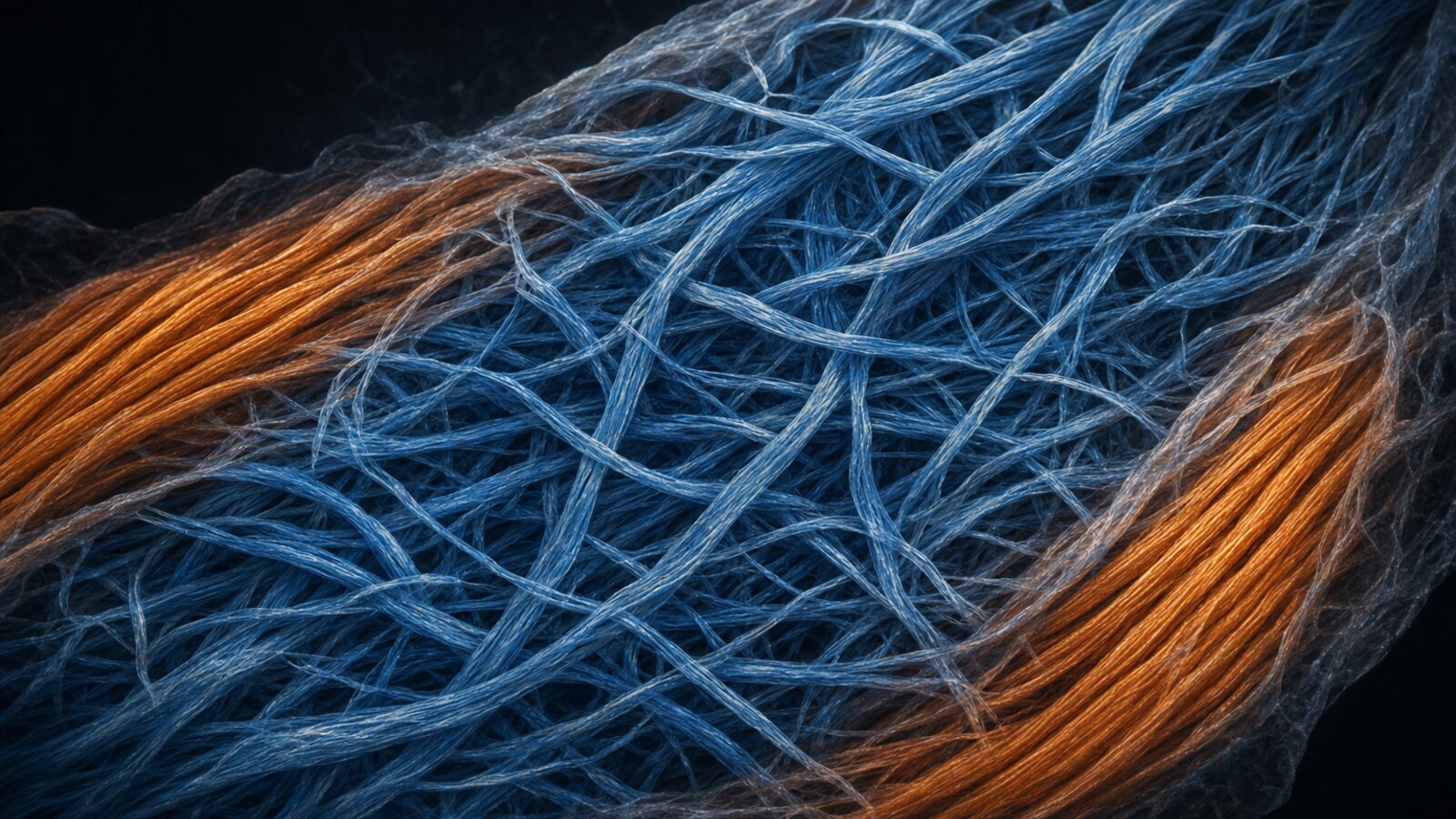
The renaming of chronic tendon pain from tendinitis to tendinopathy is not cosmetic. Histological and imaging studies of chronic Achilles, patellar, and other masters-typical tendon problems have consistently failed to find a classical inflammatory infiltrate in the painful tissue. What is found is disorganised collagen, altered cellularity, neovascularisation, and a failed remodeling response in which the tendon's repeated micro-injury and repair cycles have produced structural disorganisation rather than the parallel, aligned, mature collagen of the healthy tendon. The clinical implication reverses several decades of folk practice in masters endurance sport. Anti-inflammatory drugs target a biology that is not the primary problem and may interfere with the slow collagen turnover the tendon actually needs. Cortisone injection produces transient pain relief at the cost of accelerated structural decline in many tendons. Rest alone, without progressive mechanical loading, does not rebuild aligned collagen. The intervention with the strongest replicated evidence is progressive heavy slow resistance loading, most studied for patellar and Achilles tendinopathy, which stimulates the collagen synthesis and reorganisation the tissue needs and outperforms eccentric-only protocols in head-to-head trials. The masters athlete with chronic tendon pain is not being failed by inadequate inflammation control. The tendon is being asked to remodel without the loading stimulus it requires.
Sources: histology and the renaming from tendinitis to tendinopathy, Khan et al. 1999 (BMJ) and the converging imaging and biopsy literature; heavy slow resistance versus eccentric loading, Kongsgaard et al. 2009 (Scand J Med Sci Sports) for patellar, Beyer et al. 2015 (Am J Sports Med) for Achilles; tendon collagen turnover rate, Magnusson et al. 2010 (J Appl Physiol) for the long half-life that anchors the timeline.
Nutrition and supplements, evidence-graded
A short shelf clears the trained-athlete bar; the rest is marketing and mechanism
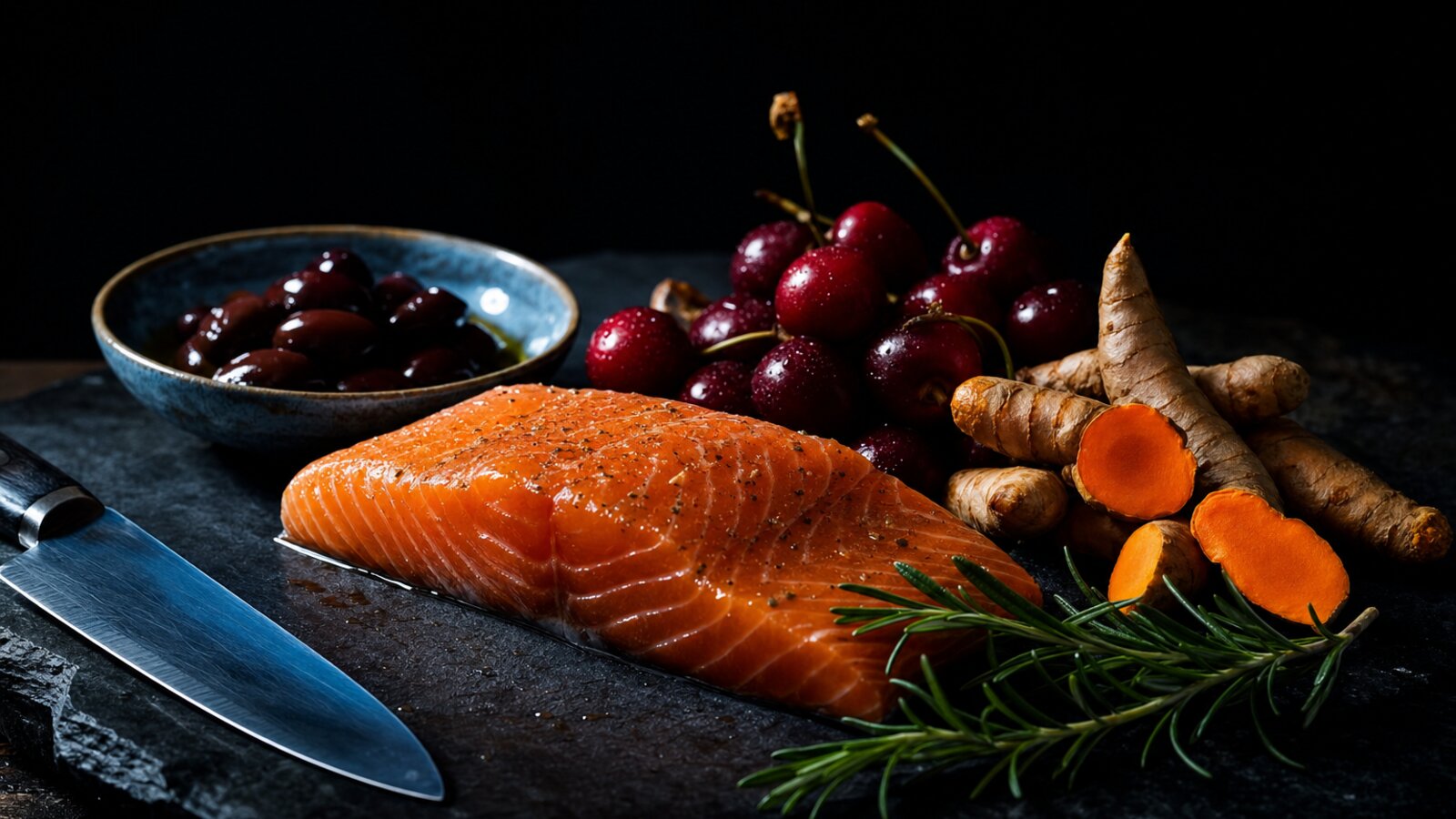
Diet is the largest single modifiable input into the chronic inflammatory baseline. The Mediterranean dietary pattern, defined as high intake of olive oil, vegetables, fruit, legumes, nuts, whole grains, fish, and moderate red wine alongside low intake of refined carbohydrate, processed meat, and ultra-processed food, lowers high-sensitivity C-reactive protein and other inflammatory markers in repeated randomised trials, and is the most evidence-anchored anti-inflammatory dietary platform for the masters athlete. Of dedicated anti-inflammatory supplements, only a short list clears the trained-athlete evidence bar with replicated effect: long-chain omega-three fatty acids (EPA and DHA) at sustained sport-relevant doses with confirmed Omega-3 Index improvement, tart cherry juice or extract in a defined pre and post-exercise window, and bioavailable curcumin formulations (most evidence on phytosomal or piperine-enhanced preparations) at gram-level total daily intake. Beyond this shelf the trial base thins quickly: vitamin C and vitamin E at gram-level doses around training actively blunt the adaptive response and should not be used as routine anti-inflammatory supplementation in this population. Most other branded anti-inflammatory supplements have coherent mechanisms and biomarker movement in older sedentary populations but no independently replicated performance or recovery benefit in trained athletes, and industry funding dominates the positive trials.
The honest summary of the recovery aisle
Routine high-dose antioxidant supplementation around training, particularly gram-level vitamin C and vitamin E, blunts the adaptive reactive oxygen species signal and impairs the very training response the athlete is paying for. This is one of the most counterintuitive and best-replicated findings in the area: the same compound that protects a cell from oxidative damage in a dish blunts the adaptation the athlete is paying for in the gym. Reactive oxygen species at physiological exercise doses are required signals, not damage to be neutralised, and the implication is to leave training-day antioxidant supplementation alone unless a specific clinical indication is being treated. The same logic applies to non-steroidal anti-inflammatory drugs around training and to indiscriminate post-session cold water immersion; each suppresses a signal the masters athlete is specifically attempting to amplify.
Sources: Mediterranean pattern and inflammatory markers, the PREDIMED trial and follow-up analyses, Estruch et al. 2018 (NEJM); EPA and DHA in trained athletes, the consolidated meta-analyses on muscle damage and inflammatory markers reviewed in the full reference; tart cherry and exercise-induced inflammation, Howatson et al. 2010 and subsequent replications; curcumin bioavailability and trained-athlete effect, the Tier 2 trial set on phytosomal and piperine-enhanced formulations; antioxidant blunting of training adaptation, Gomez-Cabrera et al. 2008 (Am J Clin Nutr) and the converging consensus literature on mitohormesis.

Recovery modalities, periodised honestly
Every effective recovery tool is also a potential adaptation blocker
The masters recovery menu has expanded faster than its evidence base. Cold water immersion is the most relevant case. As a peri-competition acute fatigue suppressant, particularly in heat and during multi-day racing, the evidence is genuine. As a routine post-training recovery practice in base-building and strength-building phases, cold water immersion blunts the mTORC1 and inflammatory signaling that the adaptation depends on, with the strongest replicated effect on resistance training hypertrophy. The intervention is not bad. The indiscriminate scheduling is. Heat acclimation through sauna or hot water immersion sits on the opposite pole: an adjuvant that, properly dosed, raises plasma volume, induces heat shock proteins, and modestly improves performance in cool conditions in trained subjects. Sleep is the highest-leverage anti-inflammatory variable in this population, larger in effect than any supplement, and the gap between what the literature says and what the population practices is enormous. Compression garments, photobiomodulation, hyperbaric oxygen, and the broader recovery-tech aisle each have specific defensible roles and large folk overreach; the periodisation matrix in the full reference grades them by training phase rather than by enthusiasm. The discipline is not anti-recovery. The discipline is matching the modality to the training phase, so that the masters athlete is not silently spending the very adaptation the work was meant to produce.
The periodisation rule that retires the folk practice
Use cold water immersion as an acute fatigue tool in heat and during competition; do not use it routinely in base-building or strength-building phases. Use heat acclimation as a deliberate adjuvant block in the four-to-eight weeks before a hot race, dose it specifically, do not stack it indefinitely. Use sleep as the highest-leverage anti-inflammatory variable in the system, treat it as a training input not a personal preference. Use the broader recovery-tech aisle only when its evidence in trained athletes specifically supports the use case, and demand the trial that demonstrates that specific case before adopting it as routine. Stacking modalities is the critical error; each tool was studied alone and most have not been shown to add cleanly.
Sources: cold water immersion and resistance training hypertrophy, Roberts et al. 2015 (J Physiol) with subsequent confirmations; heat acclimation and trained-athlete performance, Lorenzo et al. 2010 and the consolidated trial set; sleep restriction and inflammatory markers in athletes, the consensus literature on sleep extension and cytokine response; periodisation matrix construction is original to this reference and is graded in the full edition.

The masters reality, reasoned across the evidence
Two biologies, two prescriptions, and the discipline of refusing to confuse them
Aging amplifies the inflammatory complexity along multiple converging axes. Immunosenescence shifts the innate immune response, blunting the acute signal and slowing resolution. Visceral adiposity, even at constant body weight, produces a chronic adipokine-mediated inflammatory baseline. The gut microbiome composition drifts toward reduced diversity and increased lipopolysaccharide-producing taxa, contributing to low-grade endotoxin translocation. Hormonal changes (testosterone decline in men, the menopause transition in women) remove a layer of native anti-inflammatory regulation. Sleep architecture degrades, raising baseline inflammatory tone independent of training. The honest cross-sectional reality is that endurance-trained masters athletes preserve a markedly better inflammatory baseline than their sedentary peers, but survivor bias and self-selection inflate the cross-sectional estimates of trainability, and the comeback phase from extended detraining is the highest-risk window in this entire population, when blunted acute response collides with elevated chronic baseline and a training history that suggests the body should still respond as it did at thirty-five. The shift in training leverage that follows is not a counsel of despair: it moves the high-value question from how much more work the athlete can accumulate to how cleanly the acute inflammatory signal is being preserved and how aggressively the chronic inflammatory substrate is being suppressed, in parallel, with separate tools.
Why the menopause inflection point matters separately
Menopause is not a continuation of the perimenopausal curve. The withdrawal of estrogen removes a direct transcriptional anti-inflammatory regulator, raises baseline cytokine tone, accelerates visceral adiposity and bone resorption, and changes the response to exercise itself. The female masters athlete crossing this inflection point is not in the same biology she trained in five years earlier, and the inflammatory operating system has to be re-tuned. The full reference treats menopause as its own substantial chapter rather than as a footnote; the framing matters because the folk advice that worked in the perimenopausal phase frequently fails post-menopause, and the recovery, nutrition, and load tolerance prescriptions all shift.
Sources: immunosenescence and aging, Franceschi et al. and the consolidated inflammaging literature; visceral adiposity and chronic inflammation, the cross-sectional and longitudinal cohort evidence; menopause and inflammatory baseline, Maluțan et al. 2014 and the converging endocrinology literature; the comeback phase risk profile is constructed in the full reference from the overtraining syndrome, REDs, and detraining literature.
What an athlete can actually measure today
The biomarker stack, the wearable frontier, and the mitokine convergence
Measurement of inflammation requires matched tools and interpretive discipline. High-sensitivity C-reactive protein is the most widely available chronic inflammatory marker, with established quartile thresholds for cardiometabolic risk and sufficient sensitivity to detect inflammaging in untrained populations, but its day-to-day variability and its responsiveness to recent training make it a quarterly trend tool, not a daily readiness signal. IL-6 in its acute versus chronic form requires the time-and-context discipline noted above. The complete blood count with white blood cell differential, ferritin, and the neutrophil-to-lymphocyte ratio together provide an inexpensive screening panel that flags chronic inflammatory drift. Vitamin D and the Omega-3 Index sit slightly upstream as modifiable inflammatory inputs the athlete can actually adjust. In the field, the practical tools remain the same as for any consequential training decision: lactate profiling for the intensity domains, structured training-load monitoring, HRV trends for autonomic readiness rather than for inflammation per se, and the disciplined use of subjective markers. Consumer wearables cannot estimate systemic inflammatory load with mechanistic specificity, and the honest framing of their value is readiness management, not chronic inflammation inference. The frontier, narrowing the gap between research measurement and field-accessible monitoring, is the convergence of established biomarker panels, emerging mitokines (GDF15, FGF21, humanin), the senescence-associated secretory phenotype profile, and the cautious application of senolytic candidates which remain investigational and outside any current recommendation for athletes.
Members unlock the full edition
The complete reference, the consolidated fact-check ledger, and the booklet
This preview opens the headline findings across the ten conceptual pillars of the reference. The premium No.02 edition of The Human Engine is the full evidence reference for inflammation in the masters endurance athlete: the fundamentals of innate and adaptive immune function applied to sport; the acute exercise inflammatory signal and the resolution program that follows; inflammaging and its five upstream drivers; the recovery cascade across the post-session 0 to 72 hour window and the masters-specific timeline that runs slower; tendinopathy and bone with the loading prescriptions that work; nutrition and supplementation evaluated by the trained-athlete trial base, not by mechanism alone; recovery modalities periodised by training phase to avoid blunting the adaptation; the pharmacology chapter covering NSAIDs, aspirin, metformin, rapamycin, and the GLP-1 class, with the masters-specific decision framework; sleep, stress, the circadian clock, and the vagal anti-inflammatory pathway as the highest-leverage interventions in this population; and the measurement and frontier-science chapter covering biomarkers, wearables, mitokines, the senescence-associated secretory phenotype, and the senolytic candidates that remain investigational. It includes a consolidated fact-check ledger covering twenty-four contested or surprising claims with confidence ratings, and it closes with an operating-system synthesis that turns the science into a weekly, monthly, and quarterly cadence. Members also receive the designed, paywall-grade PDF booklet that opens the second edition of The Human Engine track.
- The full architecture of the acute inflammatory response: neutrophil arrival, the M1 to M2 macrophage transition, satellite cell activation timing, and the specialised pro-resolving mediator program that orchestrates resolution
- Inflammaging in operational detail: the five upstream drivers (cellular senescence, visceral adiposity, gut barrier degradation, mitochondrial dysfunction, chronic stress), with the interventions that move each driver in the masters athlete specifically
- The recovery cascade hour by hour and day by day, with the masters timeline that runs slower, and the biomarker panel that lets the athlete tell adaptation from accumulating residual inflammatory load
- Tendinopathy and bone in the comeback phase: the loading prescriptions that work, the timelines that are realistic, the female athlete and REDs intersection, and the red flags that require a clinician
- Nutrition and supplements graded by the trained-athlete trial base: Mediterranean pattern, EPA and DHA dosing, tart cherry timing, curcumin bioavailability, the compounds to avoid around training, and the contested middle
- Recovery modalities periodised by training phase: cold water immersion when and when not, heat acclimation as adjuvant, sleep as the highest-leverage variable, and the broader recovery-tech aisle graded honestly
- The pharmacology chapter, the sleep and vagal anti-inflammatory pathway chapter, the biomarker and wearable frontier chapter, the twelve theses, the fact-check ledger, the closing operating-system synthesis, and the designed PDF booklet that opens No.02 of The Human Engine track
Treat inflammation as two biologies, not one. Amplify the acute signal through training, sleep, energy availability, and respect for the resolution program that follows a hard session. Suppress the chronic substrate through the Mediterranean pattern, an Omega-3 Index in range, visceral fat under control, sleep protected as a training input, stress addressed as an anti-allostatic intervention, and the vagal pathway exercised on purpose. Reach for the anti-inflammatory aisle only where the trained-athlete trial base supports the specific use case, and reach for the longevity drug class only with a clear-eyed acceptance of what each one blunts. The discipline that wins the comeback is the same discipline that builds a career: respect the system as it actually works, not as folklore prefers it. The fittest founders win.
The through-line of the reference
Twelve theses, two biologies, ten pillars
The reference is organised around twelve theses that survive steelmanning and multi-study replication, and they are best read as one continuous argument rather than ten separate topics. Acute exercise inflammation is the adaptive signal, and blunting it impairs adaptation. Chronic inflammaging is a separate biology requiring separate management. IL-6 has opposite meanings depending on source and kinetics. Tendinopathy is failed collagen remodeling, not inflammation. Menopause is an inflammatory inflection point, not a continuation of the curve. Sleep debt is the highest-leverage anti-inflammatory variable in this population. Energy availability above the REDs threshold is a primary anti-inflammatory intervention. Routine cold water immersion blunts adaptation; targeted use has defensible roles. Only a short list of nutritional interventions clears the trained-athlete evidence bar. Non-steroidal anti-inflammatory drugs around training are usually the wrong choice for the masters athlete. The longevity drug class (metformin, rapamycin, GLP-1 agonists) remains contested for the trained athlete and the trial base does not yet support routine use. And the convergence of biomarkers, wearables, and emerging mitokine measurement is slowly narrowing the gap between research-grade inflammation measurement and field-accessible monitoring. The through-line is one discipline: amplify the acute signal, suppress the chronic substrate, and never confuse them.
Colophon and method
This preview summarises the high-level findings of IronPreneur Human Engine No.02, the second edition of the editorial track. It is a synthesis of 396 peer-reviewed primary sources across ten conceptual pillars, with strict separation maintained between mechanistic and model-based results and measured human outcomes, between general-population and trained-athlete data, and between findings in young or elite athletes and reasoned extrapolations to the returning masters athlete. Nothing here is medical advice. Implementation, and any underlying condition, belongs with a qualified clinician. The full reference, the consolidated fact-check ledger, and the designed PDF booklet are available to members.
Selected sources: Tidball 2017 on macrophage phenotype switching in muscle regeneration; Serhan and Levy 2018 on specialised pro-resolving mediators (J Clin Invest); Pedersen and Febbraio 2008 on IL-6 as a myokine (Physiol Rev); Franceschi et al. 2018 on inflammaging (Nat Rev Endocrinol); Khan et al. 1999 on the tendinitis-to-tendinopathy rename (BMJ); Kongsgaard et al. 2009 and Beyer et al. 2015 on heavy slow resistance loading; Estruch et al. 2018 on the Mediterranean pattern (PREDIMED, NEJM); Roberts et al. 2015 on cold water immersion blunting resistance training adaptation (J Physiol); Gomez-Cabrera et al. 2008 on antioxidant blunting of training adaptation (Am J Clin Nutr). The full reference carries the complete 396-source citation set across ten pillars. Prepared June 2026. Built on evidence, not affirmations.
Want the room where this gets put into practice?